

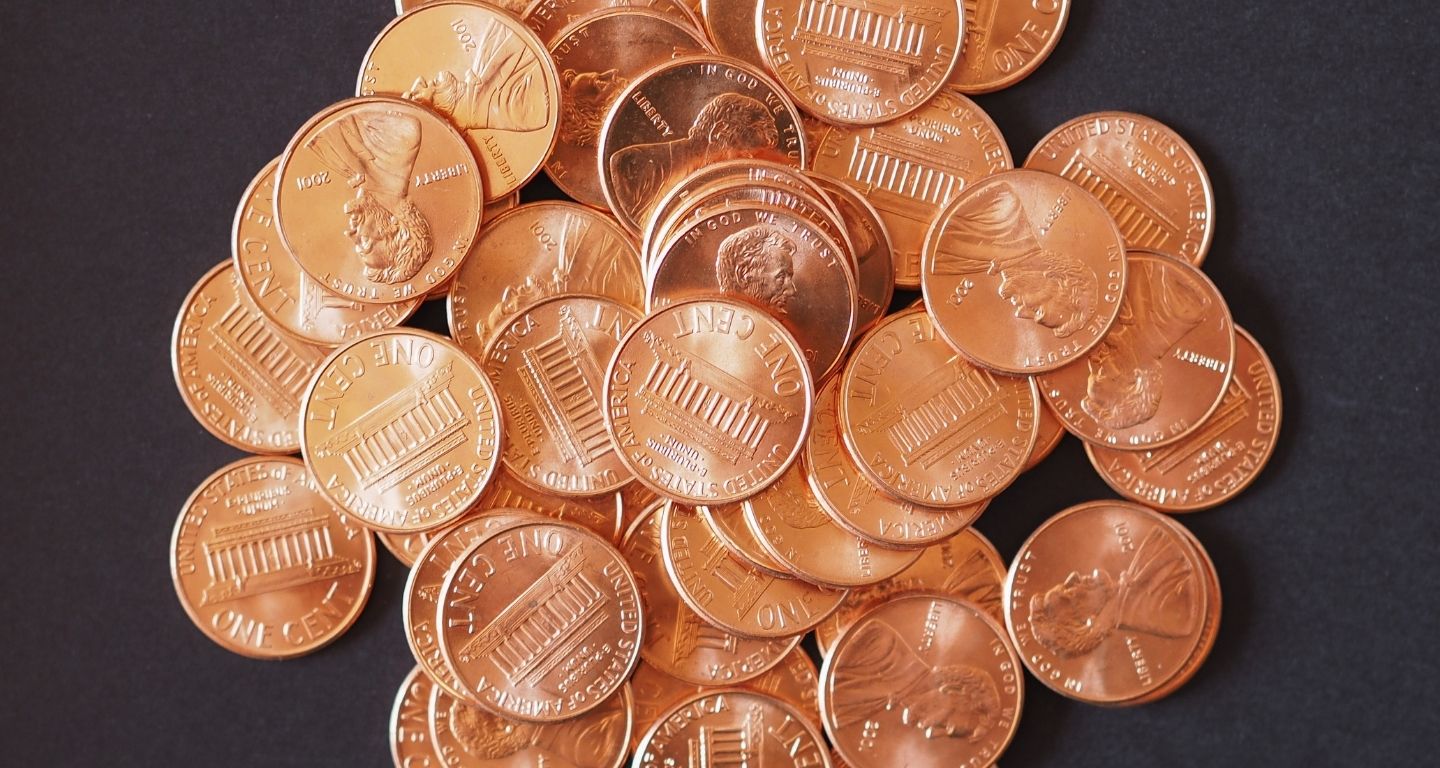
After more than two centuries in American pockets, the humble penny is being phased out of circulation. This iconic one-cent coin, featuring Abraham Lincoln's profile since 1909, has long been a symbol of American commerce and thrift.
The penny's origins trace back to 1787, making it one of our nation's oldest coins. Over the years, it has undergone numerous redesigns, with the current Lincoln cent becoming the first U.S. coin to feature a historical figure.
Why the change? Production costs have long exceeded the penny's face value, and many consumers find them impractical for everyday transactions. Studies show pennies often end up in jars or discarded rather than recirculated.
Advocates for discontinuation argue that retiring the penny would save taxpayers millions annually. In a post-penny economy, cash transactions would simply be rounded to the nearest nickel, a system already successfully adopted by countries like Canada and Australia without causing inflation.
While some view this as a practical modernization, others mourn the loss of a coin steeped in tradition. The phrase "a penny saved is a penny earned" may soon become a historical footnote.
As we transition, consider holding onto a few pennies, they may become treasured collectibles for future generations.